2026-06-08 11:48
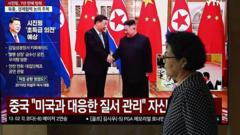
An intriguing event recently took shape when China's leader, Xi Jinping visited North Korea's Kim Jong-un. This visit symbolizes Beijing's attempt to re-establish its influence over a strategically valuable but essentially unpredictable ally.
The Historical Background
The relationship between China and North Korea is founded on a complex blend of camaraderie and mutual suspicion. Its origin traces back to the Korean War in the 1950s, when China stepped into the scuffle, aiding North Korea against the U.S.. Despite the passing of decades, this event is still profoundly ingrained in North Korea's national identity and diplomatic strategy with the world's powers.
The Contemporary Dynamics
Shifts in geopolitical dynamics have significantly influenced the China-North Korea relationship. However, Beijing, today, is making meticulous efforts to fortify its position, taking strides to manage Kim Jong-un's regime and their nuclear ambitions. This is in China's interest so as to maintain regional stability and retain its strategic advantage while minimizing the risk of uncontrolled actions that may potentially invite international intervention.
Implications of Xi's Visit
The peculiar nature of the relationship makes this visit between the leaders noteworthy. It represents China's tactful move to demonstrate its influential role on the Korean Peninsula amidst fluctuating negotiations with the U.S. and UN sanctions. It is a diplomatic tango, where each player is aware of its dance on the tightrope.
The visit also underlines Beijing's evolving approach to international politics, her willingness to play a more active role, by potentially mediating between North Korea and the global platforms.
Fuente original: BBC Mundo