2026-06-06 08:14
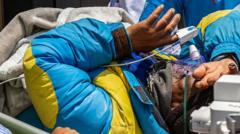
A chilling tale of resilience has emerged from the high-altitude death zone of Everest, the world's tallest peak. In a revealing account to the BBC directly from his hospital bed, veteran Nepalese mountain guide Dawa Sherpa explained how he survived six excruciating days on the mountain without oxygen, separated from his expedition team and trapped in a crevasse.
Death Zone Conquest
As Sherpa reported, a critical failure in his oxygen supply system forced him to fall behind his team. Exhaustion and hypoxia-induced disorientation led to a misstep, plunging him into a gaping crevasse. Yet, amid these severe conditions, Sherpa clung fiercely to life, maintaining his survival by nibbling on chocolate and crunching ice - an unexpected combination that may have saved his life, by constantly keeping his energy and hydration levels balanced.
Everest's Brutal Reality
Everest, known as Sagarmatha in Sherpa's native Nepal, is notorious for its treacherous conditions, particularly in what mountaineers refer to as the 'Death Zone' above 8,000 meters, where the oxygen level is insufficient to sustain human life for an extended period. Countless climbers have succumbed to Everest's icy grip, their fates sealed by the extreme cold, thin air, and unpredictable weather patterns. Sherpa's miraculous survival serves as a stark reminder of these harsh realities, casting light on the perils that seasoned climbers brave in pursuit of conquering Earth's highest summits.
Fuente original: BBC Mundo